
Automated reporting: how to get fresh data in your inbox every morning
How automated reporting works, which reports to automate first, and a five-step plan for introducing it in a mid-sized company.
- 9 min read
- 345 views
BlogArticles: 195
Our latest articles on business systems, automation and implementation.
RSS feed71–80 of 149 articles
How automated reporting works, which reports to automate first, and a five-step plan for introducing it in a mid-sized company.

Why a standard CRM breaks down in manufacturing, which features matter for B2B partners, and how to choose between an off-the-shelf and a custom system.

Your custom CRM or order system runs fine until the day it needs an update. Who deploys it, and who makes sure it doesn't break the system in your busiest season? This guide covers the practical steps for companies without in-house developers.

Many people assume only big teams can build sophisticated business systems. In practice, small teams regularly deliver what once took dozens of specialists. Here is why that works, and what to look for when you choose a technology partner.

You pay $25,000 for a CRM, and a year later every new feature takes longer, brings new bugs and costs more to maintain. Here is why that happens, what quality means in practice, and how the numbers compare over five years.
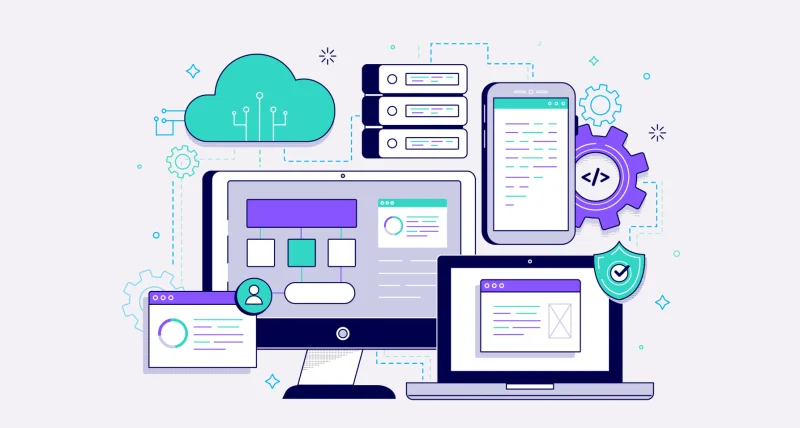
Most companies buy a CRM for the sales team: contacts, leads, reports. That's a fair start, but it uses a fraction of what the system can do. Here is how to make CRM the place where sales, marketing, support, finance and project data meet, and what it takes to get there.

A company grows 40% a year, order volume doubles, and the system that worked a year ago starts to choke. We explain how modular architecture, open APIs and iterative development avoid a forced migration.

Custom CRM, process automation or integrations: should you hire a freelancer or a project team? A look at costs, risks and continuity, and the cases where each option is the right one.

Industry research puts the failure rate of CRM projects at 50 to 70%. Most failures come from the same ten mistakes, in strategy, execution, people and technology, and you can spot them before the project starts.

Clients planning a CRM, ERP, automation or integration often hear: "we work with this stack, so adjust your processes." This article explains why technology should follow from business process analysis, which selection mistakes are most common, and how to avoid them.
We use essential cookies and one functional cookie, the latter only with your consent. Visit statistics are counted on our server, without cookies. Cookie Policy